
After cholesterol is produced, it travels with the blood in the body and is utilized according to the needs of the cells. Cholesterol that is not utilized is then returned to the liver to be converted into bile acids or used for other purposes. Importantly, cholesterol does not move through the blood on its own; as a hydrophobic (insoluble in water) substance, it must be encapsulated in a protein, which together with cholesterol is called lipoprotein, in order to move through the blood.
During its transportation, imagine lipoproteins as a cargo ship that safely carries cholesterol through the blood, with this ship cholesterol can be transported in the blood (river), so when we look at how much cholesterol is in the blood, we are referring to the amount of cholesterol contained in the different cargo ships (lipoprotein particles). The ships carry, besides cholesterol, specific proteins of apolipoproteins, triglycerides and other compounds.
In fact, for cholesterol there is no good or bad, there is only one type of cholesterol. And this cargo ship comes in two types - low-density lipoprotein (LDL) and high-density lipoprotein (HDL), and your LDL-C value and HDL-C value refer to how much cholesterol is contained in both lipoprotein particles.
The fact that LDL has important beneficial functions. For example, LDL plays a role in immune function and damage response, among others. So LDL-C is not "bad" per se, just as HDL-C is not "good" per se. But they play both good and bad roles in our bodies, depending on the specific situation. This is especially true when considering the impact of metabolic diseases on LDL.
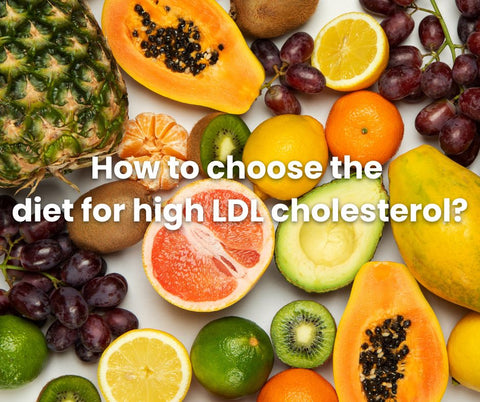
How to choose the diet for high LDL cholesterol?
A few simple adjustments to your diet, along with exercise and other heart-healthy habits, may help lower your cholesterol.
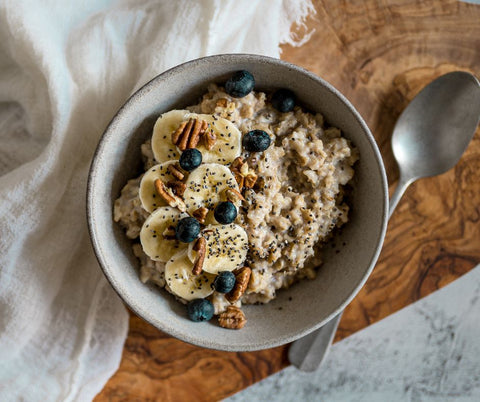
Oatmeal, oat bran and high-fiber foods
Oatmeal contains soluble fiber, which may lower low-density lipoprotein (LDL) cholesterol, the "bad" cholesterol. Foods such as kidney beans, kale, apples and pears also contain soluble fiber
Soluble fiber reduces the absorption of cholesterol into the bloodstream. Consuming 5 to 10 grams or more of soluble fiber per day can lower LDL cholesterol. One serving of breakfast cereal with oatmeal or oat bran provides 3 to 4 grams of fiber. If you add fruits such as bananas or berries, you'll get even more fiber.
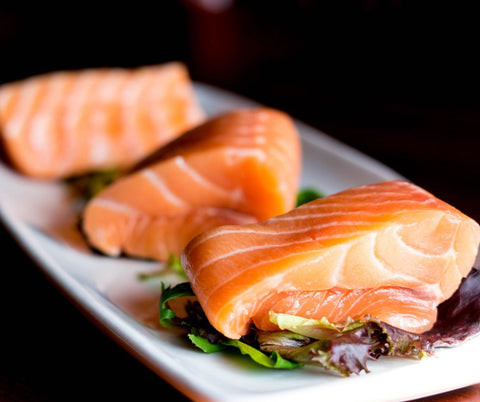
Fish and omega-3 fatty acids
Fatty fish contain high levels of omega-3 fatty acids. omega-3 fatty acids can lower levels of triglycerides (a type of fat in the blood), as well as lower blood pressure and the risk of developing blood clots. In patients who already have heart disease, omega-3 fatty acids may reduce the risk of sudden death.
Omega-3 fatty acids do not affect LDL cholesterol levels. However, because of the heart benefits of omega-3 fatty acids, the American Heart Association recommends that people consume at least two servings of fish per week. When baking or grilling fish, avoid adding unhealthy fats.
The foods that contain the most omega-3 fatty acids are
- Mackerel
- Herring
- Tuna
- Salmon
- Trout
Walnuts, flaxseed and canola oil also contain small amounts of omega-3 fatty acids.
People can also use omega-3 and fish oil supplements. Consult your doctor before taking any supplements.
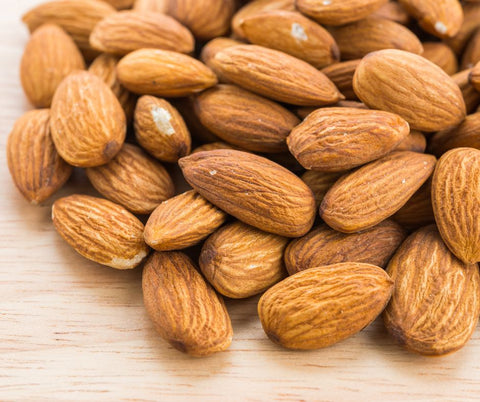
Almonds and other nuts
Almonds and other nuts can improve blood cholesterol levels. A recent study concluded that supplementing the diet with walnuts can reduce the risk of heart complications in people with a history of heart attacks. All nuts are high in calories, so simply add a handful to your salad or eat a little as a snack.
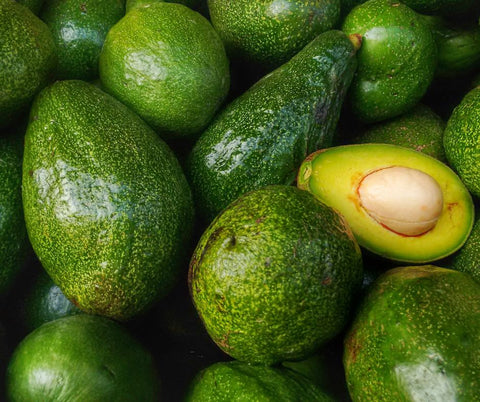
Avocados
Avocados are a great source of nutrients and monounsaturated fatty acids (MUFA). Studies have shown that adding an avocado a day to a heart-healthy diet can help raise LDL cholesterol levels in people who are overweight or obese.
People are usually most familiar with the avocado in avocado spread, which is usually eaten with high-fat tortilla chips. Try adding avocado slices to salads and sandwiches, or serving them as a side dish. Also try an avocado salad dressing with raw cut vegetables, such as sliced cucumbers.
Olive oil
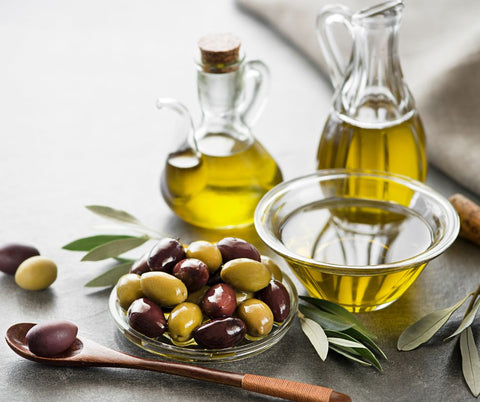
Try using olive oil in your diet instead of other fats. You can use olive oil to sauté vegetables, add it to marinades, or mix it with vinegar as a salad dressing. People can also use olive oil instead of butter on meat or for dipping bread.
Foods with added phytosterols or sterols
Sterols and sterols are substances in plants that help block the absorption of cholesterol. Sterols or sterols can be chosen to fortify foods.
Margarine and orange juice with added plant sterols can help lower LDL cholesterol. Adding 2 grams of sterols to the diet each day may lower LDL cholesterol by 5% to 15%.
It is not clear whether foods containing phytosterols or sterols can reduce the risk of heart attack or stroke, although experts believe that cholesterol-lowering foods do reduce the risk. Phytosterols or sterols do not appear to affect triglyceride levels or high-density lipoprotein (HDL) cholesterol, the "good" cholesterol.
Whey Protein
Whey protein is found in dairy products, giving them many health benefits. Studies have shown that whey protein as a supplement can lower LDL, total cholesterol and blood pressure. You can buy whey protein powder at health food stores and some grocery stores.
Other diet for high LDL cholesterol changes
To take full advantage of the benefits of these foods, diet and lifestyle changes are also needed. One of the most beneficial changes is to limit your intake of saturated and trans fats.
Saturated fats in meat, butter, cheese and other full-fat dairy products can increase total cholesterol levels. Reducing saturated fat intake to less than 7 percent of total daily calorie intake can lower LDL cholesterol levels by 8 to 10 percent.
Trans fats are sometimes listed on food labels as "partially hydrogenated vegetable oils" and are commonly found in margarine and store-bought cookies, crackers and cakes. Trans fats can raise overall cholesterol levels. The U.S. Food and Drug Administration has banned the use of partially hydrogenated vegetable oils as of January 1, 2021.
References:
1. LDL cholesterol: What it is and how to lower its levels
See also:
2. 9 Best At-Home Kidney Tests Buyers Guide In 2022
3. What Is Blood Test For Iron Called?
4. 2022 Best Home Hemoglobin Meter Buyers Guide
5. Cholesterol test at home: Everything You Want to Know 2022 Version