
High cholesterol on your medical report card? This is bad news, high cholesterol may increase the risk of cardiovascular disease. In addition to taking medication, maintaining a healthy lifestyle and diet is a must.
However, maintaining cardiovascular health is not the same as living an ascetic life; With a little care, you can eat well and still keep your blood lipids down.
Cholesterol, good or bad to distinguish?
A small amount of cholesterol is necessary to keep your body functioning properly. However, too much saturated fatty acids and cholesterol in the diet can raise the level of "low-density lipoprotein cholesterol (LDL-C)" - the "bad" cholesterol - in the body. LDL-C can lead to atherosclerosis and heart disease.
High-density lipoprotein cholesterol (HDL-C)" - the "good" cholesterol - will help you remove the "bad" cholesterol from your blood. "Bad" cholesterol in your blood. To get rid of the "bad" and promote the "good," you have to start with your diet.
Lowering cholesterol starts with eating
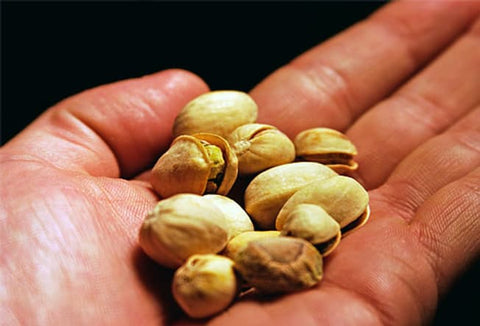
1. You must pay attention to the amount of food you eat.
Say goodbye to "super-size" packages, which are twice the recommended size (the American standard, the American diet by the portion.) By eating them, you're gaining weight and raising your cholesterol levels.
Use your hands to simply measure food portions: a serving of meat or fish is the size of your palm (how much meat is the size of your palm, see Everybody Loves High Protein); a serving of fresh fruit is the size of your fist; and a serving of cooked vegetables, rice or macaroni is about the size of a "handful".
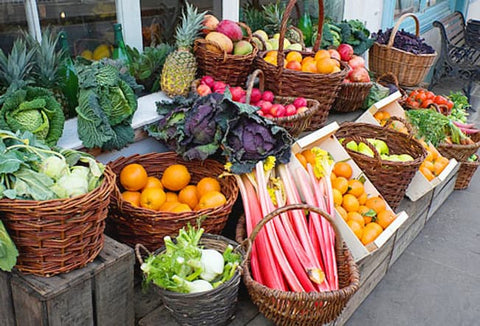
2. How many fruits and vegetables should I eat to be healthy?
The answer is 5-9 servings per day. The antioxidant content of vegetables and fruits helps lower the level of "bad" cholesterol in the body.
On the other hand, eating a little more vegetables and fruits to occupy your stomach, you can eat less high-fat and high-heat food.
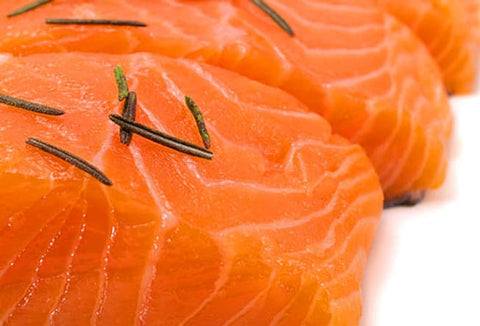
3. Want cardiovascular health, eat more seafood.
Let fish appear on your menu at least 2 times in 1 week. Because, fish is low in saturated fat and rich in omega-3 fatty acids, it can reduce the level of triglycerides (a fat) in the blood, helping to lower cholesterol and slow down the formation of plaque in the arteries in the blood vessel walls.
It doesn't matter if you eat some fatty fish, such as salmon, tuna, herring and sardines, as long as you don't fry them in a frying pan, a move that can take all the health benefits out of eating fish.
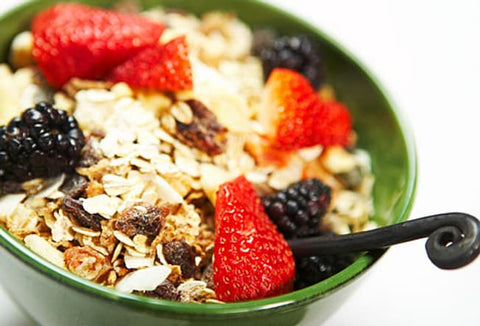
4. Eat whole grain foods.
The health benefits of a bowl of oats or coarse-grain porridge for breakfast can be maintained throughout the day. The dietary fiber and complex carbohydrates in whole grains can prolong satiety and allow you to eat less at lunch (sounds like a favorite of dieters).
In addition, whole grains can lower "bad" cholesterol levels. Quality whole grains also include brown rice, corn, black rice, barley and whole wheat flour.
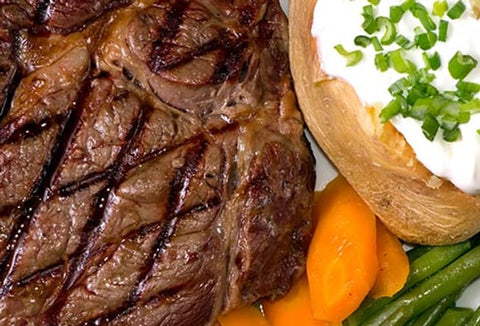
5. Want a snack?
A small handful of nuts to satisfy your appetite at the same time can also lower cholesterol. Nuts are rich in monounsaturated fat, to maintain the "good" cholesterol levels at the same time, effectively reducing the level of "bad" cholesterol.
Many studies have shown that eating 1 ounce of nuts a day can reduce the risk of heart disease. However, nuts are not low in fat and calories, eat a small handful is enough. Also, forget the sugar-coated and chocolate-covered nuts.

6. In the diet, we need to consume the right amount of fat, it will provide us with 25%-35% of the calories.
However, the type of fat consumed is important. Unsaturated fats, such as those found in canola oil, olive oil, and safflower oil, help lower "bad" cholesterol levels and raise "good" cholesterol levels.
Saturated fats, such as those found in butter and palm oil, raise the level of "bad" cholesterol in the body. High quality fats are also high in calories and should be consumed in controlled amounts.
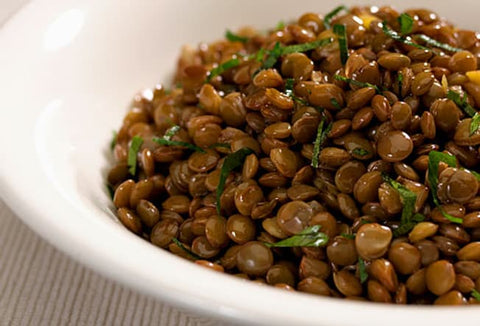
7. We need to consume carbohydrates to ensure our daily supply of calories, and good carbohydrates can bring more health benefits.
Whole grains, such as black rice and quinoa, whole wheat pasta, and beans, contain more dietary fiber, don't raise blood sugar as quickly, and can lower cholesterol and provide a sense of satiety.
Carbohydrates like white bread, potatoes, refined rice, and various snacks, on the other hand, raise blood sugar more quickly, but soon leave you feeling empty and more likely to overeat.
If you want to be healthy, get moving!

8. 30 minutes a day, 5 days a week of light aerobic exercise (or 20 minutes a day, 3 days a week of moderate intensity aerobic exercise, such as jogging) can effectively reduce the body's "bad" cholesterol, improve the content of "good" cholesterol, exercise more the results are even better.
Exercise can also help you maintain your ideal weight and prevent cardiovascular disease such as arterial infarction. A 30-minute workout doesn't have to be done all at once, but can be broken up into 3 sessions of 10 minutes each, so that you can make use of the gaps between your busy schedule.

9. Exercise, not necessarily in the gym, walking is also a healthy option.
All you need is a pair of comfortable and durable shoes. Walking is also considered a form of aerobic exercise that can improve blood circulation and maintain cardiovascular and bone health. Try 10 minutes of brisk walking at first, then gradually increase the amount of exercise each day.

10. If you really do not like special "physical exercise", then do more physical activities instead of exercise can be, such as garden or balcony, dance, abandon the elevator and take the stairs, etc.
Certain household chores can also be considered exercise, such as cleaning (of course, simple sweeping does not count) - any physical activity that gets your heart rate up is beneficial.
Adopt good habits to manage your health
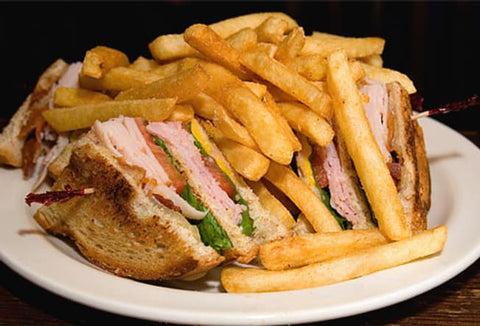
11. How do you eat at a dinner out?
If you are already implementing a healthy eating plan at home, try not to get together for meals out. The food inside restaurants is often rich in saturated fat, high in calories and salt, and it is inherently easy to overeat when gathering for a meal. The following are a few to consider.
- Try to choose boiled, grilled, steamed or baked foods and stay away from deep-frying.
- Dip less in sauces.
- Control the total amount and pack up the other half before you eat it.

12. Read the information on the outside of the food package carefully
- Check the contents of each serving (small package). Maybe the ingredients and nutrients look healthy, but the amount inside is not excessive.
- If it claims to be "whole grain" or "whole wheat", be sure to check the ingredients carefully. "Whole wheat flour" must be the first.
- "Cholesterol-free" foods can still raise "bad" cholesterol levels. Always be careful with saturated fats!

13. Reduce stress.
Chronic high pressure can lead to higher blood pressure and increase the risk of atherosclerosis. Some studies have shown that stress can even directly raise cholesterol levels in some people. And relaxation exercises, meditation, or biofeedback, can help reduce stress. When you're stressed, try deep breathing, a stress-reducing solution that can be implemented anytime, anywhere.
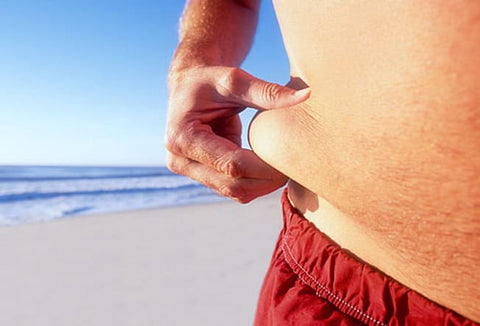
14. Weight loss is one of the best ways to eliminate cardiovascular disease.
Obesity is prone to high cholesterol, high blood pressure, and type II diabetes, all of which make it easier for plaque to build up in the walls of the arteries spawned by cholesterol. Abdominal fat has been implicated in atherosclerosis, and losing this excess fat can boost "good" cholesterol levels and lower "bad" cholesterol levels.

15. Follow your doctor's instructions.
Maintaining normal cholesterol levels is a lengthy endeavor that may last the rest of your life. See your doctor regularly, keep your health updated, and follow his or her advice about diet, exercise, and medications.


References:
Explore More Blog
The Promising of Cholesterol Testing