
Anemia is becoming increasingly common in women, and anemia is caused by the inability of one's body to produce sufficient hemoglobin. When anemia occurs, a person may feel weak and exhausted, depressed and irritable, and may be accompanied by fainting, apathy, fatigue, dizziness, decreasing ability to concentrate, and an unbearable cold feeling. According to a survey, about one in five women suffer from anemia.
Why are the anemia symptoms in women more pronounced?
The most common exposure to iron deficiency anemia in our life is a kind of nutritional anemia. Children during the growth period, adolescent girls, and women during pregnancy or lactation are the high prevalence of iron deficiency anemia. Because iron is an important substance for the synthesis of hemoglobin, when iron is lacking, hemoglobin is insufficient and blood cannot transport oxygen properly, which will cause anemia. In addition, high menstrual flow during the physiological period of some women can cause anemia; insufficient intake of nutrients, lack of vitamins or partial diet can cause nutritional anemia; traumatic hemorrhage, digestive system diseases, tumors or ulcers can cause anemia due to blood loss; malignant tumors or blood diseases can cause anemia.
Top 7 anemia symptoms in women
- A dull, pale, bloodless complexion.
- Dry, shriveled and lusterless skin.
- A tendency to feel palpitations and shortness of breath after exercise.
- Frequent tinnitus, blurred eyes, dizziness and headache.
- Moodiness, lethargy and drowsiness, difficulty concentrating.
- Slow reaction, numbness, chills or pins and needles sensation in the hands and feet.
- Loss of appetite, frequent feeling of bloating and constipation.
- lusterless, fine and brittle hair, easy to fall out.
- Chronic stomatitis.
- Bulging nail articles, anti nail.
- Irregular menstruation with large volume each time.
How to regulate anemia in women?
1, Eat more fruits and vegetables with more fiber
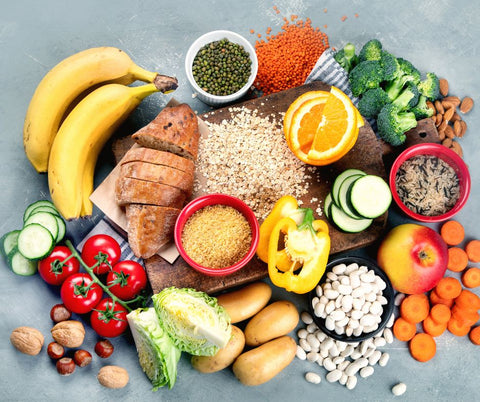
People with anemia must eat more vegetables and fruits, and some iron-rich foods. Iron-rich foods include beef, liver, kidney, eggs, kelp, beans, etc. You also need to pay attention to more vitamin C, because vitamin C can promote the body's absorption and utilization of iron, and vitamin C is more abundant in green leafy vegetables and fresh fruits.
2, Try not to drink tea
Anemic people need to pay attention to is to drink as little tea as possible, because the tannic acid contained in tea will hinder the female body's absorption and use of iron, in the cooking time is best to choose to use the iron pot for cooking, because the iron pot in the fall of iron will have a good effect on women to replenish iron. In addition, the milk and some drugs that neutralize stomach acid will also hinder the absorption of iron, so if you want to drink milk, be sure not to eat with iron-containing foods to avoid the waste and non-absorption of iron, making the symptoms of anemia more serious.

3, Psychologically, we should do a good adjustment
Women's mood will directly affect the function of several organs of the body, and women's bad mood will make qi stagnation and blood stasis, and the amount of menstruation may also increase. If you want to be a woman first of all to maintain a good mood, avoid depression and anger, depressed, if necessary to take some necessary cathartic methods, so that the mood to get better.
4, maintain moderate exercise
Although anemic women can't do strenuous exercise, but the necessary exercise is still needed, the necessary exercise can enhance the body's hematopoietic function, keep the skin soft, anemic women can moderately do jogging, dancing and other activities.
5, Eat foods containing iron and vitamin C
First of all, iron is a necessary raw material for the body to build blood, while vitamin C helps the absorption and utilization of iron in the body. If women are iron deficiency anemia, they must eat more food containing more iron and more vitamin C. The key to replenishing blood is to eat.
What are the causes of anemia in women?
Many young women suffer from anemia. The common causes of anemia in women are.
1. Due to the existence of physiological conditions such as physiological cycles, pregnancy and breastfeeding in women, it is easy to cause a lack of hematopoietic nutrients. Among them, the most common is iron deficiency anemia.
2. Some diseases may also lead to anemia, such as autoimmune diseases. Women are prone to autoimmune diseases, commonly known as systemic lupus erythematosus and rheumatoid arthritis. These diseases can lead to hemolytic anemia.
3. No good eating habits, often picky eating, resulting in nutritional deficiencies.
4. Having diseases that cause bleeding, such as upper gastrointestinal bleeding, may also cause anemia.
Although anemia is common, it is still very harmful to women's body and may cause gynecological diseases and endocrine disorders. So, what should women do after becoming anemic?
Treatment method
- First, if the degree of anemia is mild, you can pay attention to active prevention in general. However, for more severe anemia, professional treatment is needed.
- Second, don't be picky about food and do moderate exercise.
- Third, develop a good diet and pay attention to consume more iron-rich foods, such as: pork, beef, kelp, etc.
- Four, if there are already serious anemia symptoms, you need to go to the hospital for treatment can effectively improve the symptoms of anemia. Usually, you should also pay attention to rest and not to carry out intense exercise to avoid accidents.
- Five, the symptoms of anemia, pay attention to the supplementation of female vitamins.
If you are a working woman, vitamin supplement nutrition. A healthy body is the only way to have a healthy family.
What are the types of anemia in women?
Although anemia is only a clinical symptom, there must also be a cause behind it. Only by removing the cause can anemia be effectively treated. Depending on the cause, anemia can be divided into three types.
1. Nutritional anemia Iron
Trace elements such as folic acid and vitamin B12 provide the raw materials for hemoglobin synthesis. If deficient, they can lead to anemia. Clinically, anemia due to micronutrient deficiency is common.
2 Disease anemia
Many people do not care if they are found to be anemic during physical examinations, but they do not know that anemia can be the root of the problem and is a sign of many major diseases. At least seven diseases, including blood disorders, malignant tumors, chronic infections, rheumatic diseases, kidney lesions, liver disease, and pituitary or hypothyroidism, can lead to anemia. The causes of anemia in the elderly must be traced, and more serious problems are often hidden behind them; for example, 10% to 40% of tumor patients have combined anemia. In case of unexplained anemia, you can see a hematology department first, or you can see a gastroenterology, endocrinology, or respiratory medicine department according to the accompanying symptoms for timely examination so as not to delay the diagnosis and treatment. In elderly men or postmenopausal women, once the manifestation of iron deficiency anemia appears, the cause must be traced, especially to exclude gastrointestinal tumors.
3 Drug anemia
Four types of drugs commonly used can also cause anemia and require special attention. Antipyretic and analgesic drugs such as ibuprofen, loxoprofen and aspirin are commonly used to relieve pain, such as headache, arthralgia, migraine, dysmenorrhea, etc. They are also used to relieve fever symptoms. Such drugs may cause blood abnormalities, including leukopenia, thrombocytopenia and hemolytic anemia. Many elderly people often take painkillers, which contain aminopyrine and finasteride, are such drugs, and long-term use can cause anemia, but also easy to cause liver and kidney function damage, not recommended for the elderly.
Be alert to nutritional anemia
Clinically, nutritional anemia is more common and anyone can suffer from it.
Older adults
Survey data shows that the prevalence of anemia is nearly 35% in the group of elderly people aged 60 to 79 years old, and the prevalence reaches 45% when they are over 80 years old. Therefore, elderly people should pay special attention to anemia, early detection and treatment to minimize the adverse effects. The elderly, because of the weakness of the spleen and stomach, can properly eat more yam, white lentils, dates, gorgonians and other spleen-healthy food to promote the spleen and stomach to transport and produce blood, coarse grains to a certain extent affect the absorption of iron, so not in excess.
Weight loss women
Plant foods such as cereals, beans, vegetables and fruits contain almost no vitamin B12, and the iron in them is not easily absorbed, so vegetarians are prone to anemia due to iron and vitamin B12 deficiency.
Pregnant women
Some physiological phenomena during pregnancy, such as increased blood volume and vomiting in early pregnancy, can lead to a relative decrease in hemoglobin in the blood. In addition to iron supplementation, pregnant women should also pay attention to the intake of folic acid-rich foods and add folic acid supplements in appropriate amounts. At the same time, in addition to the normal diet, moderate daily supplementation of iron 0.2-0.3g
Little girls
The absorption rate of iron in milk is only 10%, and feeding children with milk only often causes iron deficiency anemia; although egg yolk has a high iron content, its iron absorption rate is only 3%, and certain proteins in eggs inhibit the body from absorbing iron, so relying on milk and eggs to supplement iron is not enough. The absorption rate of animal liver is more than 30% and should be supplemented in appropriate amounts when adding complementary foods.
References:
See also:
2. What Is Blood Test For Iron Called?
3. 2022 Best Home Hemoglobin Meter Buyers Guide
4. Can I take anemia tests at home?
5. How to choose the at-home kidney test?
6. What main factors influence the hemoglobin test for results?