
From time to time, we care about our internal organs, probably the most frequent ones are the intestines, stomach and heart, and we tend to ignore the kidneys healthy.
The kidney has a very powerful function, it filters out the harmful waste from the blood and excretes it from the body in the form of urine.
In other words, once the kidneys have problems, the body will lose its detoxification function.
The occurrence of kidney disease will lead to more other diseases.
And because the kidneys do not come with their own pain nerves, it is not easy to be detected when there is a problem with the kidneys.
All the damage it brings will explode after a period of silence.
Therefore, we should pay more attention to the protection of kidneys in our daily life.

How do we know whether our kidneys healthy?
Kidney is one of the most major organs of the urinary system. After multiple filtration by the kidney, urine often does not show foam or abnormal color. However, if the foam of urine increases, it may be caused by the presence of protein in urine, which indicates that the kidney function is damaged.
We all know that generally older people have a higher chance of suffering from high blood pressure, but if you suffer from high blood pressure at a young age, you should pay attention to it.
If the body has symptoms of kidney deficiency, it often affects the balance of blood pressure and appears to be elevated, while hypertension also affects the function of the kidneys, aggravating the deficiency of the kidneys and causing the condition of hypertensive nephropathy.
In addition, if hypertensive patients show symptoms of increased urine and edema in both lower limbs, then they should do a kidney function test in time to see if there are symptoms of kidney deficiency.
The kidney is an important organ for drainage of water in the body, and if there is damage to the kidney it will lead to the accumulation of water in the body. The most obvious manifestation of this is edema in the eyelid area.
If you often have edema in the eyelid area, it is recommended to go to the hospital to check the function of the kidneys instead of using some simple methods to remove the edema.
People with bad kidneys are prone to poor mental health. If you often feel weak, easy to sleepy, a little exercise is particularly fatigue, and even anemia, then it may be the kidneys are a little "too weak".
The first step for your kidney health is to avoid the following 4 vices.
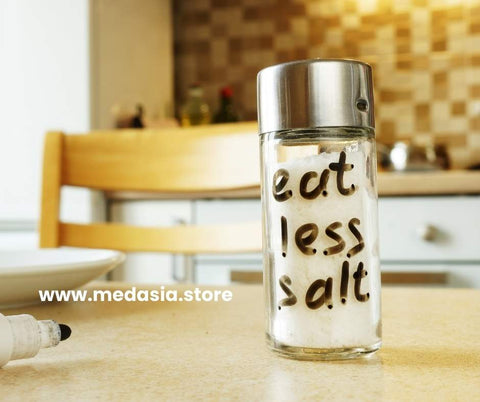
▶ Reduce salt intake for kidney health
High salt intake may adversely affect glomerular hemodynamics, inducing hyperfiltration and increasing filtration fraction and glomerular pressure. This may be particularly important in elderly, obese, diabetic or black patients with high salt sensitivity.
Changes in salt intake may affect urinary protein excretion in patients with essential hypertension, diabetes mellitus and non-diabetic nephropathy. In addition, high sodium intake may impair the anti-proteinuric effects of various drugs, including angiotensin-converting enzyme inhibitors and calcium antagonists.
Experimental studies have shown that salt has a direct tissue effect on the kidney independent of its ability to increase blood pressure, induce hypertrophy, fibrosis, and decrease glomerular basement membrane anion sites. However, no firm conclusions can be drawn regarding the relationship between salt intake and the progression of chronic renal failure, as most of the information comes from conflicting, small, retrospective observational studies.
In conclusion, sodium intake restriction appears to be an important preventive and therapeutic measure in patients with chronic kidney disease of various origins or at risk of kidney injury, such as those with hypertension or diabetes mellitus.
95% of the salt in your diet is metabolized by your kidneys, so consuming too much salt will increase the burden on your kidneys and lead to higher blood pressure, thus triggering kidney disease.
▶ Not holding urine for kidney health
Is holding urine bad for your kidneys?
Holding your urine for too long can weaken your bladder muscles. In addition, it can increase your risk of kidney disease and in rare cases even bladder bursting - a condition that can be fatal.
Can holding in urine damage my bladder?
Holding urine for long periods of time also exposes your body to potentially harmful bacteria, which can increase your chances of getting a urinary tract infection (UTI) or bladder infection. You can fall into delirium and die shortly afterwards due to your entire bladder bursting. Urine in the bladder for a long time can multiply bacteria, which travel retrograde through the ureters to the kidneys, leading to urinary tract infections and pyelonephritis. Repeated inflammation can damage kidney function.
Is holding urine harmful?
In most cases, holding urine for a short period of time until there is a time and place for it is not harmful. However, holding urine is associated with a slightly increased risk of urinary tract infections. This is because urine remaining in the bladder increases the growth of bacteria there.
How long can you hold your urine?
A healthy bladder can hold about 2 cups of urine before it is considered full. Your body needs 9 to 10 hours to produce 2 cups of urine. This is the maximum amount of time you can wait and still be in a safe zone with no possibility of damaging your organs.
How many times a day should you pee?
Most people urinate between 6 and 8 times a day. However, if you drink a lot, up to 10 times a day is not uncommon. You can also urinate more often if you are taking certain medications, such as diuretics for high blood pressure.
Why do I have to pass urine?
The need to force or strain to urinate may be due to a problem with the contraction of the bladder or a problem with the bladder outlet and urethra blockage. It is not common for women to be unable to empty their bladder due to urethral problems.
How can I make sure my bladder has emptied?
Sit comfortably on the toilet with your body leaning slightly forward. Place your hands on your knees or thighs so that you can optimize the position of your bladder for urination. Urinate as you normally would, focusing on emptying your bladder as much as possible. Stay on the toilet and wait 20 to 30 seconds.
How much urine can the bladder hold?
A healthy bladder can hold one and a half to two cups (300-400 ml) of urine during the day and about four cups (800 ml) of urine at night. If you drink 6-8 cups of fluid, it is normal to urinate 5 or 6 times a day.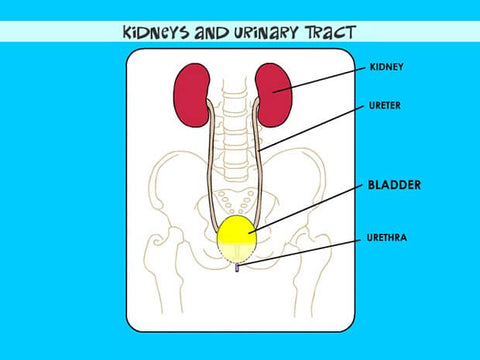
▶ Eat less high protein and less beer for kidney health
Eating too much protein-based food will produce too much metabolic waste such as uric acid and urea nitrogen, which will increase the burden on the kidneys. Drinking a lot of alcohol can easily lead to hyperuricemia, and these habits can cause metabolic diseases such as hyperlipidemia and other kidney diseases.
High protein
High protein levels in the kidneys can lead to proteinuria, which is the abnormal presence of protein in the urine. The blood filters out any waste products through the kidneys, leaving essential compounds, such as protein. Usually, most proteins are too large to pass into the urine. However, damage to the kidneys can cause this to happen. At first, the disease may be asymptomatic. However, swelling can occur in the feet, hands, abdomen and face.
Although high-protein diets remain popular for weight loss and type 2 diabetes, there is evidence that people with impaired kidney function may experience worsening kidney function, and perhaps people without impaired kidney function as well. High protein intake in the diet can cause intra-glomerular hypertension, which may lead to hyperfiltration of the kidneys, glomerular damage and proteinuria. The quality of dietary protein may also play a role in kidney health. Compared to plant-derived protein, animal protein has been associated with an increased risk of ESKD in several observational studies, including the Singapore Chinese Health Study. Potential mediators of kidney damage from animal protein include dietary acid load, phosphate content, dysbiosis of the gut microbiota, and resulting inflammation. In light of these findings, the use of diets that currently include high proportions of protein for weight loss or glycemic control should be carefully considered for those at high risk for kidney disease. Given the potential for residual confounding in some observational studies and conflicting evidence from previous trials, long-term studies, including those with large sample sizes, are needed to better determine the effects of high protein intake on kidney health.
Drink beer
1. Beer makes the kidneys incompetent
One of the most important roles of the kidneys is to destroy substances in the blood. Alcohol happens to be one of these harmful substances. When you drink beer, the alcohol in it may alter the function of your kidneys and they may not be able to filter your blood.
2. Beer affects kidney function
In addition to filtering your blood, your kidneys perform other important tasks. For example, your kidneys also maintain the right amount of water in your body. The alcohol produced by drinking beer may also affect this function of the kidneys. So when alcohol begins to dehydrate your body, this effect can also affect the normal function of your organs and cells, including your kidneys. This is one of the many ways in which beer affects the kidneys.
3. Beer can increase blood pressure levels
Excessive alcohol consumption can also affect blood pressure. People who drink too much alcohol are prone to develop high blood pressure problems. In addition, if you already suffer from high blood pressure, your medications can be affected by beer consumption. One of the various causes of kidney disease is hypertension. This is one of the effects of beer on the kidneys. Avoid drinking more than 2 glasses a day because it increases the risk of developing high blood pressure.
4. Beer can cause liver disease
How does beer affect your kidneys? Well, chronic alcohol consumption can cause liver disease, which in turn can damage your kidneys. Liver disease caused by excessive alcohol consumption can weaken the kidneys' ability to balance blood flow rates. As a result, your kidneys are unable to filter your blood properly, leading to kidney dysfunction.
5. Excessive beer consumption leads to kidney damage
If you indulge in beer (more than 4-5 glasses in 2 hours), it can raise your blood alcohol level to dangerously high levels. This can lead to acute kidney damage and you will need immediate dialysis until your kidneys return to normal function. Severe kidney damage can take quite a while to recover; however, in rare cases, it can lead to permanent kidney damage.
After learning about the effects of beer on your kidneys, it is best to avoid drinking beer. You can drink alcohol in moderation, but it is always better to not drink beer at all.

▶ Drinking water for kidney health
If you do not drink water for a long time, the amount of urine will decrease and the concentration of waste and toxins carried in urine will increase, which can easily cause kidney stones, etc. It is recommended to drink at least 1200~1500ml of water every day.
How drinking more water helps?A steady flow of water through your body makes it easier for your kidneys to function at their best. They have a ready supply that can be distributed throughout your body to keep your cells and organs functioning optimally. In addition to enjoying healthy and functional kidneys, well-hydrated people enjoy the following benefits
Prevention of Kidney Stones
Anyone who has ever suffered from kidney stones may not be keen to repeat the process. Stone-like deposits form when excess minerals (including salt) and other waste products form in the kidneys. These are usually quite small and are excreted painlessly in our urine.
However, when we are dehydrated, they can become larger and harder. This process can be very painful, not to mention the damage to the kidneys. Often, the treatment is to use shock waves to break the stones into smaller pieces so they can be expelled through the urine.
Staying hydrated is a very small price to pay for saving you from the pain and discomfort of kidney stones.
Reduce the risk of recurring urinary tract infections (and further complications)
Urinary tract infections are fairly common and are easily treated if caught quickly. However, if left untreated, they can creep into the kidneys, which can lead to a serious kidney infection called pyelonephritis. This can only be treated in the hospital with intravenous antibiotics. UTIs occur when bacteria build up in the urinary tract. When you drink a lot of water, you are more likely to urinate regularly, which can help flush out potentially harmful bacteria. If you have already had a UTI, staying hydrated can greatly reduce the risk of it coming back.
2. 9 Best At-Home Kidney Tests Buyers Guide In 2022
3. What's creatinine with kidney test in blood?
4. How important is a tester with kidney test function?
5. What is anemia with kidney disease?